
Planning from Abroad
•ChatGPT Has Not Been to Your Venue
AI tools can organise publicly available information about Irish wedding venues. But they can't tell you what actually happens on the day — and the gaps matter more than most couples realise.
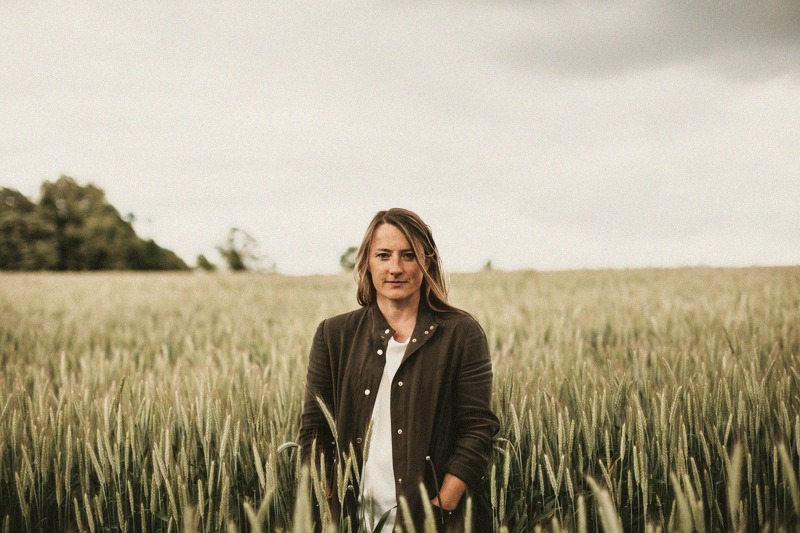
Emma Walkin
Founding Consultant
I know it’s stating the obvious but we sometime rememeber that ChatGPT has not been to your venue. Neither has Claude. Neither has Gemini.
I don’t say that to dismiss them. I say it because it matters, and because most couples planning an Irish wedding from abroad don’t realise it until they’re already committed to something that looked very different on screen.
If you’re based in the United States and you’re planning a wedding or elopement in Ireland, the chances are you’ve done exactly what every couple I speak to has done. You found a venue online, fell for the photographs, and then asked an AI tool to fill in the gaps. Capacity, costs, weather contingencies, what to look out for in the contract. The answers came back quickly and they sounded thorough. That’s a reasonable place to start.
The difficulty is knowing where that kind of research ends and where the gaps begin.
Every AI tool is researching your venue from the same publicly available information you already found. It has simply organised it more neatly.
Take Kilkea Castle in Kildare. It’s a well-regarded venue. It appears in most credible guides to Irish castle weddings and it’s popular with couples travelling from the US for good reason — the grounds are genuinely impressive and the setting photographs beautifully.
What I can tell you from having filmed there is something that doesn’t appear in any of those guides. On one occasion, the weather came in during an outdoor ceremony and we moved the whole thing inside to the baronial hall to finish. No time to rearrange. No seats — guests stood. The hall is a perfectly fine room. But it isn’t the lawn. It isn’t the castle backdrop that couple had pictured from the first time they saw the venue online. And because nobody had prepared them for that possibility in any real, specific way, the adjustment was harder than it needed to be.
For the media team, a move like that means flash and video lighting so that the photographs and film are properly exposed. The images will still be good. They will just look different from the ones that convinced you to book the venue in the first place. That’s useful to know before the day, not during it.
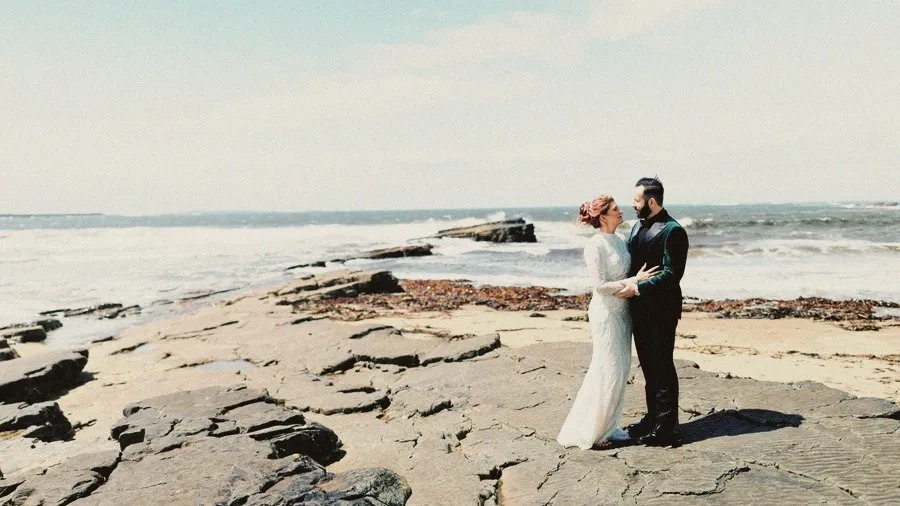
Here is another one that comes up regularly with elopement couples. You cannot simply travel between locations with your photographer. They are not insured to carry passengers. You will need to organise your own transport — a hire car, at minimum. It sounds like a small detail. On an elopement day with a tight timeline and no coordinator managing the logistics, it is the kind of gap that derails an otherwise straightforward day. Your photographer will not necessarily flag it. It is not their job to. But it is exactly the sort of thing that needs to be sorted before you finalise any plan.
A few other things worth knowing before you commit
Ireland has a legal requirement to notify a registrar at least three months before your ceremony. Not two months. Not six weeks. Three months, minimum. Americans planning a short-notice elopement hit this regularly and have to completely restructure their timeline as a result. An AI tool will mention it if you ask the right question. The problem is that most couples don’t know to ask it.
Humanist celebrants — who conduct the majority of outdoor and elopement ceremonies in Ireland — book up quickly, often a year or more in advance. The photographer you found on Instagram may still be available on your date. The celebrant who can legally perform your ceremony at the location you have in mind may not be. These are not interchangeable roles and the availability gap between them catches couples out more than almost anything else.
And some of the most photographed elopement locations in Ireland — the cliff edges, the mountain passes, the ruined abbey at the end of a farm lane — have no nearby facilities, limited parking, and access roads that don’t accommodate standard vehicles. When the weather changes, and in Ireland it will change, there is nowhere to go. That is not a reason to avoid those locations. It is a reason to plan them properly, with someone who knows what planning actually involves.
None of this is meant to put you off
Ireland is a genuinely extraordinary place to get married and the couples I work with who have travelled here from the US leave with something they could not have found anywhere else. But the distance between what a venue looks like online and what it requires in practice is real, and it is wider than most planning tools will ever show you.
I’m Emma Walkin. I’ve spent twenty-three years filming weddings across Ireland through Edithouse and I’ve been inside most of the venues you’re currently researching. I set up Page Two because that accumulated knowledge is genuinely useful to couples at the planning stage — before the contracts are signed, not after.
If you’re planning from a distance and you want a clear-eyed read on what you’re actually committing to, that’s exactly what The Brief is for.