
Ceremony
•Things to Know About Civil Ceremonies in Ireland
A straight guide to the legal and practical side of a civil ceremony in Ireland. What is allowed, what catches couples out, and what you need to know if you are planning from abroad.
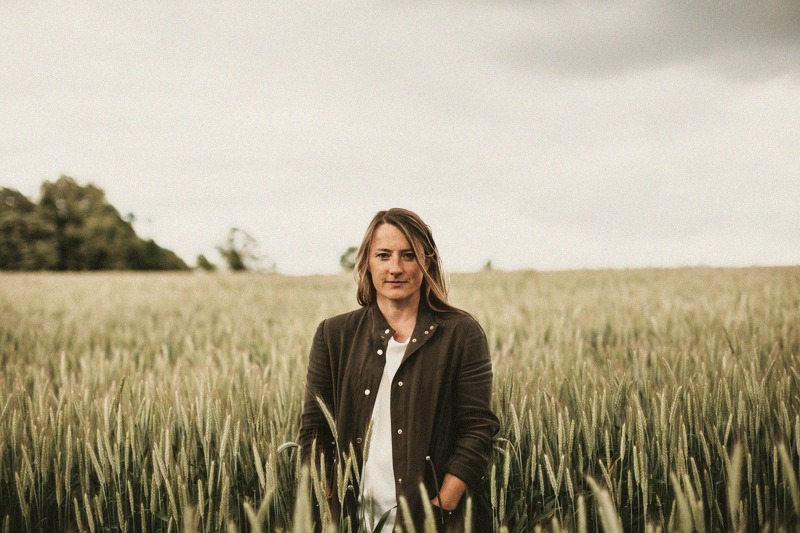
Emma Walkin
Founding Consultant

Most of the couples I speak to have already decided how they want to marry before they have thought through what is actually required to make it legal. That is normal. The ceremony is the part most couples design from the heart. The legal registration is the part most couples find out about second, and only once they realise it does not run the same way as it does in the film.
Here is what I tell couples, especially those planning an Irish wedding from abroad.
Only certain people can marry you in Ireland
A wedding ceremony in Ireland is only legally binding if it is conducted by a solemniser registered with the HSE. That includes HSE registrars for civil ceremonies, Humanist Association of Ireland celebrants, Spiritualist Union of Ireland celebrants, and approved religious ministers. Anyone else is performing a ceremony, not a marriage.
This matters because plenty of couples assume they can have a friend officiate, the way you can in parts of the US. In Ireland, a friend can lead the ceremony emotionally, but the legal marriage must be performed separately by a registered solemniser. For most couples it ends up being simpler to do the whole thing in one go with someone qualified.
You have to give three months’ notice, in person
Every couple marrying in Ireland must give a formal Notification of Intention to Marry at a Civil Registration Office, at least three months before the wedding date. Both of you must attend in person. You cannot do this remotely.
For couples living in the States, that usually means a planned trip home specifically for the appointment, or scheduling it at the start of a pre-wedding scouting visit. It is often the single most overlooked piece of Irish wedding admin, and it is the one that cannot be patched up at the last minute.
The venue matters, legally
Civil and humanist ceremonies can be held in most hotels, country houses, and open venues, but the exact location must be pre-approved by a HSE registrar. The space has to be open to the public, safe, and meet a short list of criteria. Outdoor ceremonies are allowed in Ireland, but only if that specific outdoor location has been approved. An unapproved spot, no matter how beautiful, will not work.
This is a question worth asking your venue early, before assuming.
Two witnesses, both over eighteen
You need two witnesses who can read, understand, and sign in one of Ireland’s official languages. Most couples ask close family or friends. Anyone over eighteen qualifies.
Paperwork you will need
Bring passports, long-form birth certificates, PPS numbers if you have them, and the non-refundable fee of €200 for the Marriage Registration Form. If either of you has been married before, you will also need the relevant divorce, annulment, or death certificates.
Couples marrying in Ireland from abroad sometimes need extra documents, including a Certificate of Freedom to Marry from your country of residence. The registrar will tell you exactly what is required when you book the notification appointment.
The ceremony itself
A civil ceremony lasts roughly twenty to thirty minutes. It is legally focused, with limited room for personalisation beyond vows, readings, and a small number of ring and hand exchanges. Humanist ceremonies give you much more flexibility, with the same legal weight.
If you want something more personal than a civil ceremony allows, the humanist route is the one most of my couples choose. Either way, you will be legally married, which is the whole point of this part of the day.
The short version
Book the notification appointment early. Confirm your venue is HSE-approved. Bring the right paperwork. Decide early whether you want civil, humanist, or religious. Everything else can be shaped around you, once those four things are in place.